In a world where stories cross borders before passports do, there’s a place where South Asian cinema takes center stage not just as culture, but as future. The Indian Film Festival of Los Angeles (IFFLA) is back—bigger, braver, and more beautifully interconnected than ever before.
2025 marks a cosmic expansion for IFFLA Industry Days, unfolding on May 8 and 9 at the Landmark Theatres Sunset, where narratives from India, Bangladesh, Nepal, and the South Asian diaspora meet the very core of Hollywood. And it isn’t just a festival—it’s a movement.
This year’s heartbeat? IFFLA Connect—a cinematic constellation born in collaboration with Cinévesture. It’s more than a program—it’s a bridge. A handpicked bouquet of emerging and established storytellers are set to bloom on global soil. From Radhika Apte’s directorial debut Koyta to Nuhash Humayun’s bold Moving Bangladesh, the lineup whispers revolution, reels resilience, and roars representation.
“Our focus is access,” says Noopur Sinha, Festival Producer. “These ten powerful South Asian-led projects deserve the chance to not just survive, but soar in global cinema.” And with champions like Netflix, Orion Pictures, Film Independent, Neon, and Temple Hill watching closely, the world might just listen a little more intently.
But this festival doesn’t stop at showcasing. It dares to sculpt the future. The Launchpad: Pitch Competition returns, offering five dreamers the stage, a listening industry, and a chance at $10,000 in development funding. In a room full of believers, sometimes that’s all a story needs.
Panels that Matter, Questions that Echo
The Industry Days are rich with brain and soul food:
The Human Loop panel asks: “Can storytelling stay human in the age of AI?”
Global Vision challenges studios to look beyond Western borders, diving deep into how international voices are redefining cinematic futures.
And in a heartfelt nod to literature and theatre, a panel on the Life of Pi stage adaptation explores how a tale from Pondicherry now moves hearts from Broadway to LA.
Magic has a Masterclass too.
One of the most anticipated events is “From Dhaka to Hollywood”, where South Asia’s horror whisperer Nuhash Humayun dissects how local stories can scream on global stages. From his breakout Moshari to hauntingly poetic cinema, it’s a classroom where the future listens.
The Jury that Breathes Stories
This year’s juries—both for features and shorts—are a soulful blend of insight and artistic fire:
Rajshri Deshpande, known for Sacred Games and Sexy Durga
Carla Renata, a.k.a. The Curvy Critic, whose words have shaped Variety, RogerEbert.com, and beyond
And Maureen Bharoocha, whose lens bridges genres and hearts alike.
With names like Priyanka Mattoo, Kausar Mohammed, and Sudeep Sharma in the mix, it’s clear: these are not gatekeepers—they’re gate-openers.
For the Dreamers, the Believers, and the Storytellers
IFFLA 2025 isn’t just a festival. It’s an invitation to the world to sit down, lean in, and feel the pulse of South Asia—loud, luminous, and unapologetically original. From bustling Mumbai sets to quiet Bangladeshi scripts scribbled at midnight, this is where those dreams take their first Hollywood breath.
Passes are now live at indianfilmfestival.org. And for the readers of Kulsoomified: if you’ve ever believed in the poetry of film, this is your call to witness a new chapter in the language of cinema.
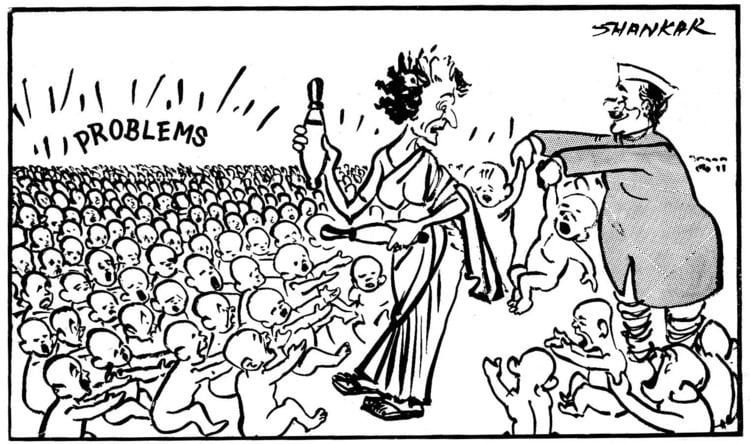
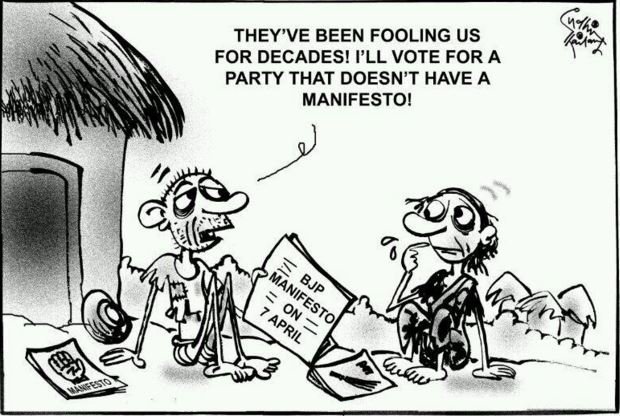
The primary function of political cartoons is to offer political commentary on current affairs and societal issues. Furthermore, cartoonists frequently view their creations as a weapon against the misuse of authority. They therefore want to discredit and expose the powerful. The outcome is frequently unexpected but not always humorous. In a country that is as culturally and politically diverse as India, cartoons can be a medium to educate the people as due to uneven distribution of resources, not everyone has the same access to information and education as each other.
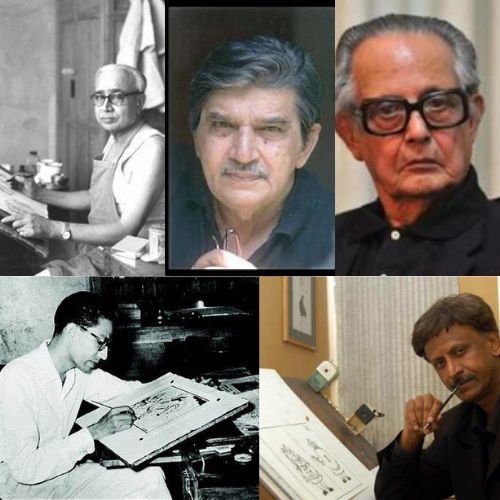
Cartoonists sketch a unique and powerful story by combining wit, humor, and social commentary in their creations. From magazine pages to television, these masters of the pen use their artistic skills to entertain audiences and spark imaginations. Let’s take a look through the corridors of creativity and explore the works of some of India’s most famous cartoonists.
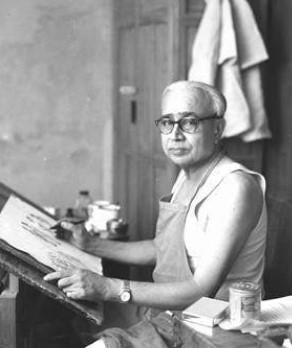
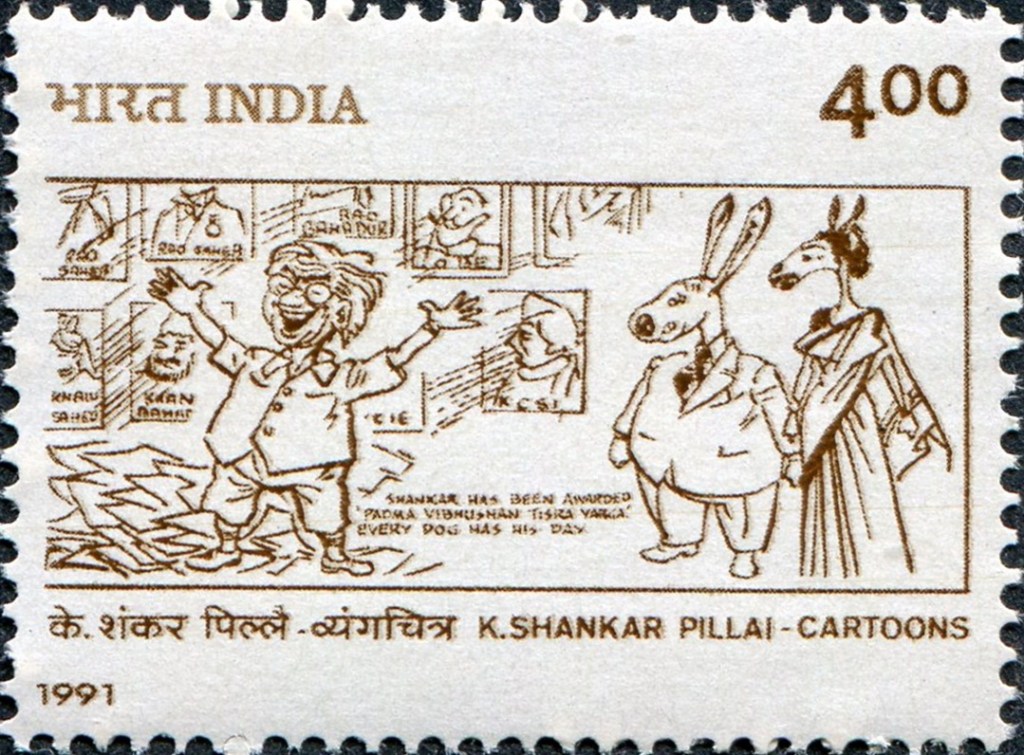
Father of Political Cartooning in India – Kesava Shankar Pillai (31 July 1902 – 26 December 1989)
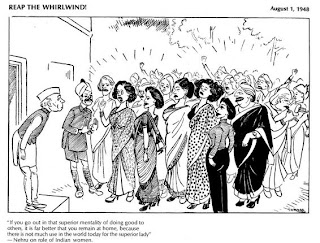
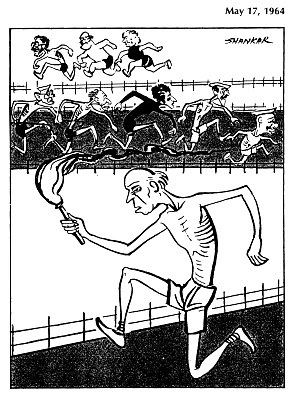
Indian cartoonist Kesava Shankar Pillai (31 July 1902 – 26 December 1989), popularly known as Shankar, was born. In India, he is regarded as the founder of political cartooning. In 1948, he started Shankar’s Weekly, the Punch of India.
{Cartoonists Abu Abraham (above) and Kutty (below)}
Cartoonists such Abu Abraham, Ranga, and Kutty were also produced by Shankar’s Weekly; however, the publication was shut down on June 25, 1975, due to an emergency. He then focused on helping kids laugh and have fun with life. In 1976, the Indian government bestowed upon him the second-highest civilian decoration, the Padma Vibhushan.
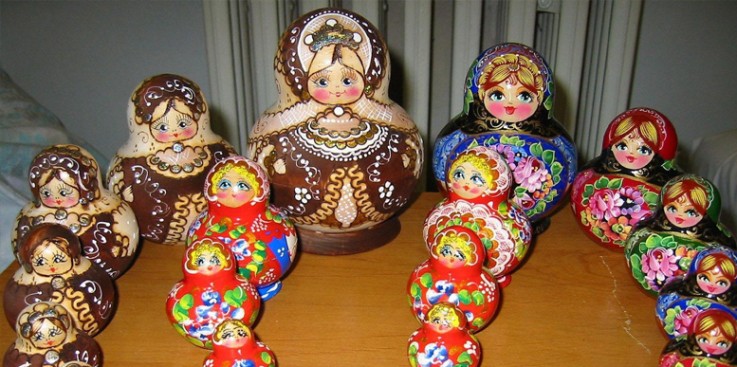
{The collection of costume dolls in the museum was inspired by a gift of a single doll that Shankar received from the Hungarian Ambassador in the early fifties. (International Doll Museum, Delhi)}
He is best known today for founding Shankar’s International Dolls Museum in 1965 and the Children’s Book Trust, which was founded in 1957.Shankar’s caricatures appeared in The Bombay Chronicle and The Free Press Journal. He was hired as a staff cartoonist by Pothan Joseph, the editor of the Hindustan Times, in 1932, and remained on staff until 1946.
Shankar was able to train in London for almost fourteen months. He studied advanced cartooning methods during that time by attending numerous art schools. He also travelled to Paris, Geneva, Vienna, Berlin, and Rome.
India was in the throes of an independence movement when he returned. Shankar’s aspirations for an independent publication were also supported by the onset of freedom. When Pandit Jawaharlal Nehru published Shankar’s Weekly, which Shankar edited himself, the concept was realised.Shankar was organised and adored children. The Shankar’s International Children’s Competition was founded by Shankar in 1949, and the Shankar’s On-the-Spot Painting Competition for Children was a part of it in 1952. In 1978, he started an annual competition for children’s book writers. This tournament, which started in English, is currently being held in Hindi as well.
‘A Symphony of Dreams’ was an exhibition held at the Lalit Kala Academy in Delhi in 2002 to mark the centennial of his birth. He drew a cartoon of Bhimrao Ambedkar in 1949, and when it was included in NCERT educational materials, it created “furor” in the Indian Parliament. As a result, concerned NCERT staff members resigned in May 2012. People who identified as “Republican Panthers” demonstrated against the cartoon. The Kerala Lalithakala Akademi created the Shankar Memorial National Cartoon Museum and Art Gallery in 2014 as a memorial to the well-known Indian cartoonist in his homeland.
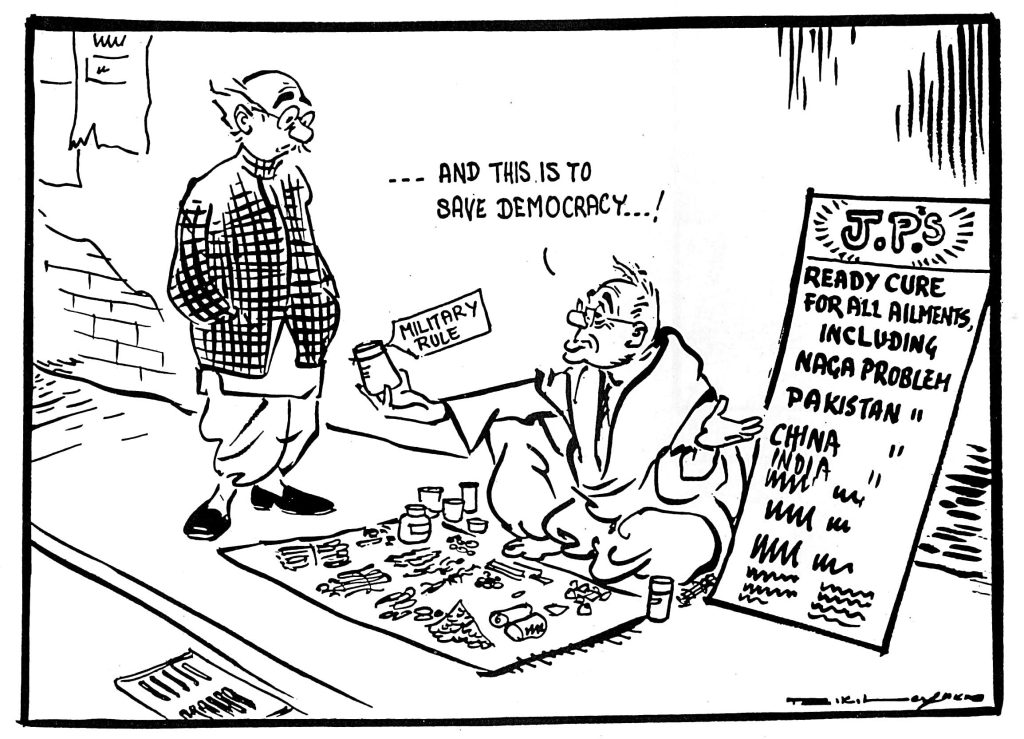
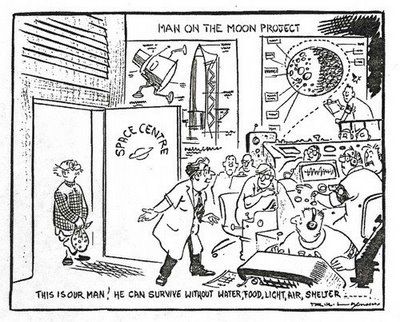
A Not-So-Common Man – R.K. Laxman (1921-2015)
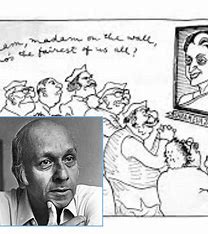
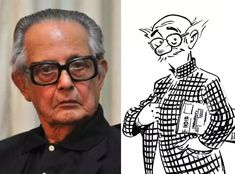
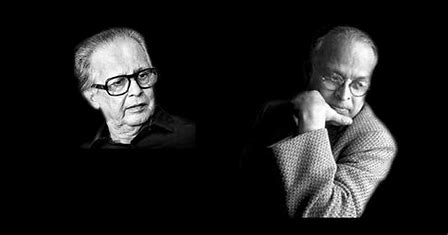
Rasipuram Krishnaswami Iyer Laxman was an Indian humorist, illustrator, and cartoonist who lived from 24 October 1921 to 26 January 2015. The Common Man, which he created, and You Said It, a daily comic strip that he launched in 1951 in The Times of India, are his most well-known works.
{In Photo: R.K. Laxman and R.K. Narayan}
In 1921, a Tamil Hindu Brahmin family welcomed R. K. Laxman into the world in Mysore. Laxman was the youngest of eight children—six sons and two daughters—and his father was a headmaster. The well-known novelist R.K. Narayan was his older brother. “Pied Piper of Delhi” was the moniker given to Laxman’s elder brother.
Early work by R.K. Laxman was published in magazines such as Swarajya and Blitz, as well as newspapers Rohan. also started drawing political cartoons for the Swatantra and local newspapers, and also illustrated stories written by his older brother R. K. Narayan for The Hindu while he was still a student at the Maharaja College of Mysore.
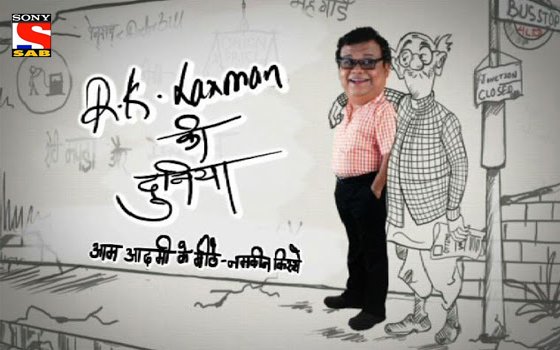
{ SAB TV aired an Indian comedy series called R. K. Laxman Ki Duniya(2011-2013). The famed cartoonist R. K. Laxman’s work served as the inspiration for it. The focus of the show was on the pleasures and sufferings of the average man.}
Additionally, Laxman created cartoons for Koravanji, a Kannada humour magazine started in 1942 by M. Shivaram, a physician with a clinic in Bangalore’s Majestic neighbourhood. When he first established this monthly journal, he focused on cartoons and stories that were lighthearted and satirical. In Kannada, Shivaram was a well-known humorist. He encouraged Laxman.
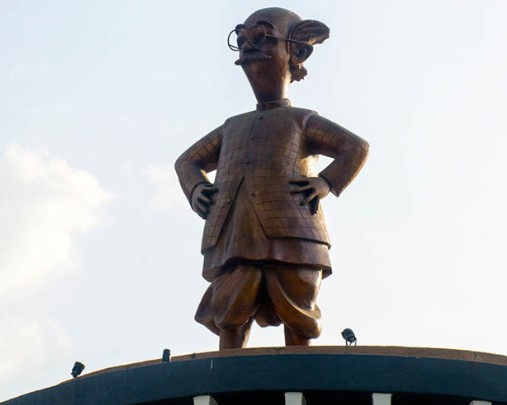
{The R. K. Laxman Museum is a single-artist museum located in the Balewadi area of Pune, Maharashtra. It was inaugurated in 2022.}
Laxman worked as a summer employee at the Madras Gemini Studios. His first permanent position was as a political cartoonist for The Free Press Journal in Mumbai, where he worked alongside Bal Thackeray. Laxman started working for The Times of India, Mumbai, in 1951, and he stayed there for more than fifty years. In his pocket comics, his “Common Man” persona is presented as a witness to the emergence of democracy.
Not Your Local Cartoonist – Mario Miranda (1926-2011)
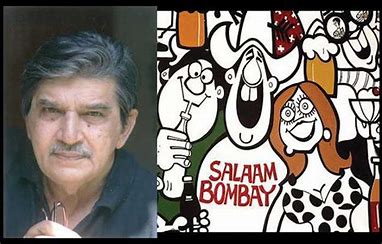
Mario Miranda, also called Mario de Miranda, was an Indian painter and cartoonist who was headquartered in Loutolim, in the Indian state of Goa. He was born Mário João Carlos do Rosário de Brito Miranda on May 2, 1926, and passed away on December 11, 2011.
Miranda gained prominence via his writings published in The Illustrated Weekly of India, but he was also a regular contributor to The Times of India and other Mumbai newspapers, such as The Economic Times. In 2012, he received the Padma Vibhushan, India’s second-highest civilian honour, posthumously.
{15th August, 1988 “Mile Sur Mera Tumhara” on Doordarshan- a song that showed India’s diversity and was created on the theme Unity in Diversity}
Miranda appeared in the 1988 “Mile Sur Mera Tumhara” national integration video, which also starred a number of well-known Indian artists, writers, musicians, and athletes. He received the Padma Shri in 1988, the Padma Bhushan in 2002, and a lifetime achievement award from the All India Cartoonists’ Association in Bangalore. On November 11, 2009, Don Miguel Nieto Sandoval, a tourism adviser, gave Mario the highest civilian accolade, the “Cross of the Order of Isabel the Catholic,” bestowed by King Juan Carlos of Spain at his family’s Loutulim residence. On December 29, 2009, he was appointed “Commander of the Order of Prince Henry,” a Portuguese National Order of chivalry, by President of the Republic Aníbal Cavaco Silva.
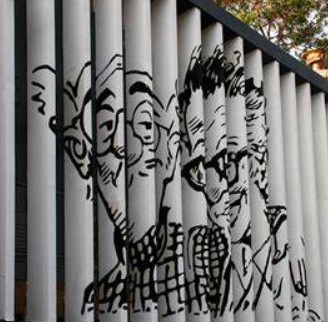
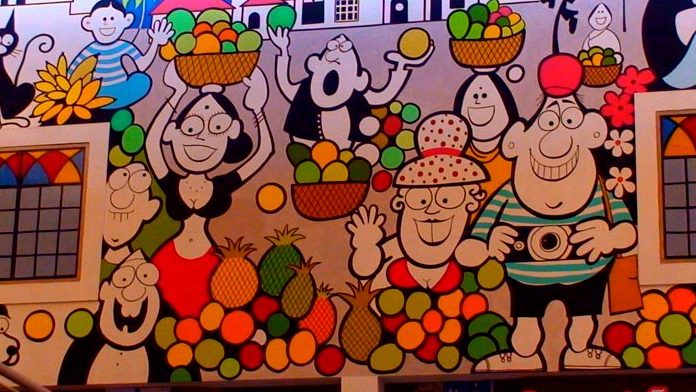
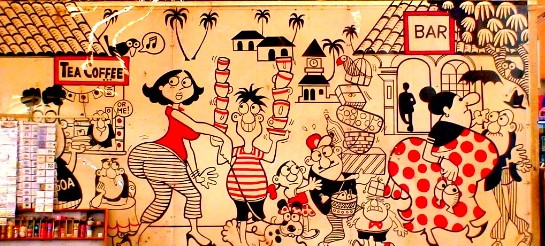
{Mario’s Mural on the streets of Goa, Maharashtra}
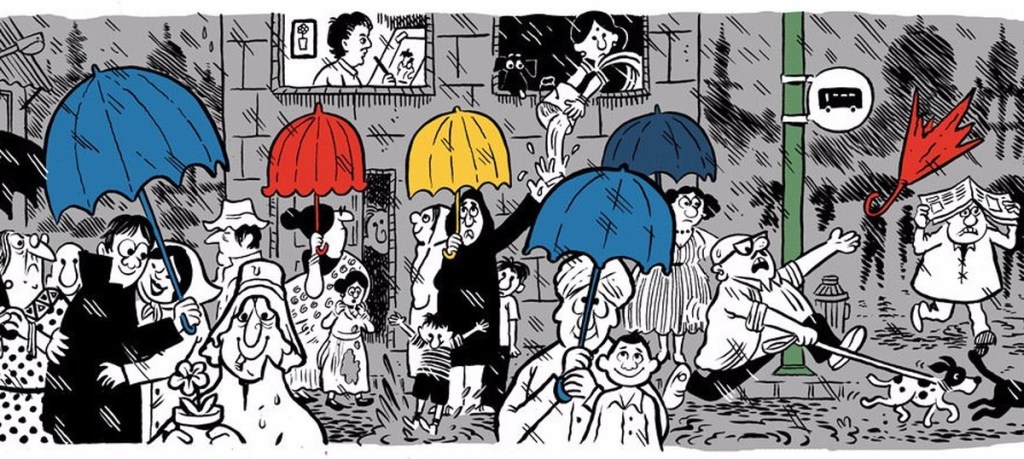
In March 2012, the Goa Legislative Assembly mentioned him in an obituary following his death in 2011. Miranda was honoured with the 2013 naming of a Mumbai Road intersection. On the occasion of his 90th birthday, Google celebrated him with a doodle in May 2016. The doodle depicted a typical rainy-season neighbourhood scene in Mumbai.
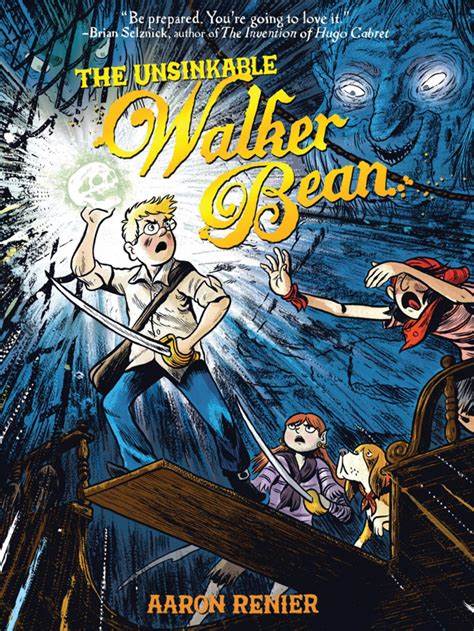
{Aaron Renier – an American Comic Artist and Author (famous for his comic “The Unshrinkable Walker Beam”), and the guy who created Google Doodle for Mario Miranda}
— Aaron Renier (he/him/his) (@acornreindeer) May 2, 2016
{2016 Google Doodle by Aaron Renier}
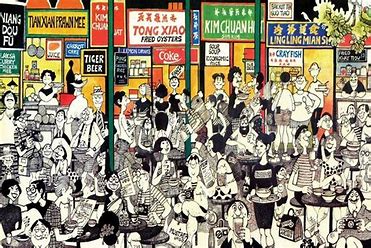
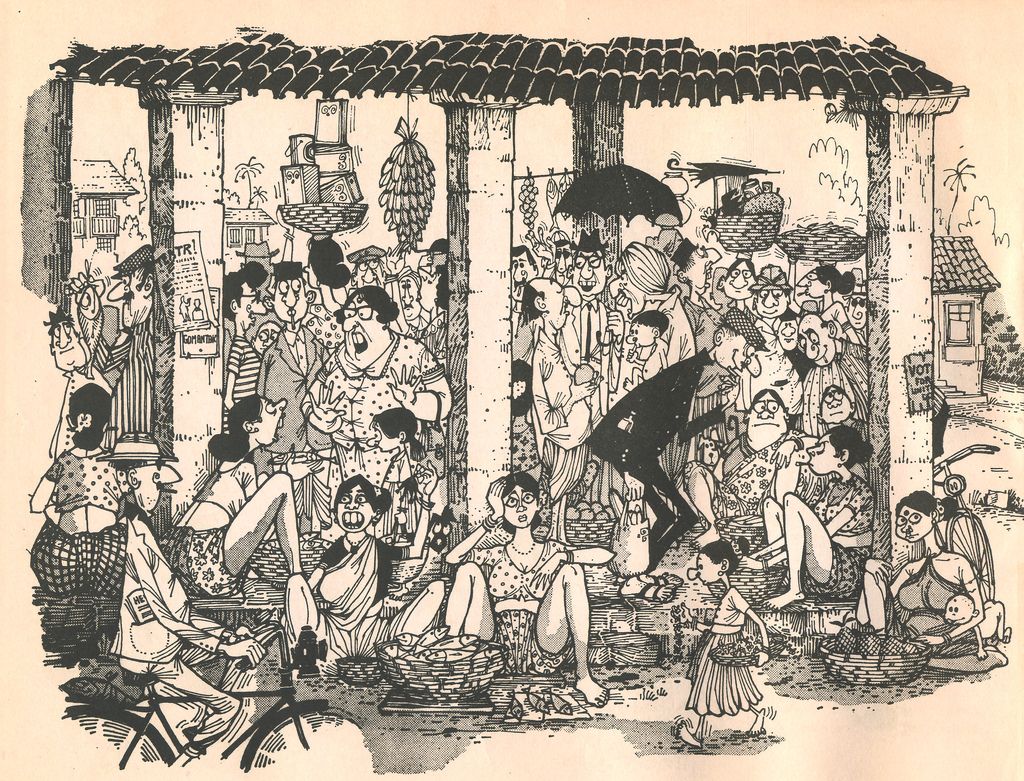
As per Aaron Renier’s Google Doodle, which was made in honour of Miranda on his 90th birthday in 2016, Miranda’s most favoured cartooning style was “very flat with criss-crossing interactions”. Renier continued by explaining: That is what I liked most about his work. Trying to pick out who knows who, who’s watching who, who’s annoyed by who, who’s enamoured by who. (Source: Wikipedia)
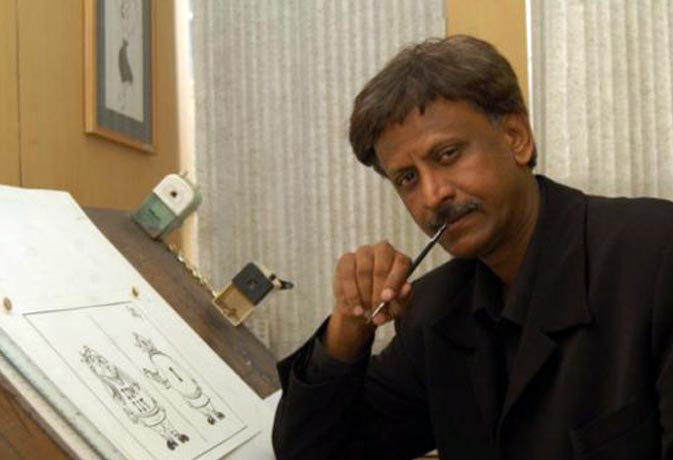
No Prime Minister – Sudhir Tailang (1960-2016)
Tailang was born on February 26, 1960, in Bikaner, Rajasthan, and died of cancer in 2016.Tailang’s childhood fascination with comics like Tintin, Phantom and Blondie is said to have inspired him to pursue cartooning.
In 1970, at the age of ten, he got his first cartoon published in a newspaper.Tailang began his career in 1982 with the Illustrated Weekly of India, Mumbai, after creating his first cartoon in 1970. He began working in Delhi for the Navbharat Times in 1983. He worked for the Hindustan Times for a number of years, taking brief breaks to also work for the Indian Express and The Times of India. The Asian Age was his most recent assignment.
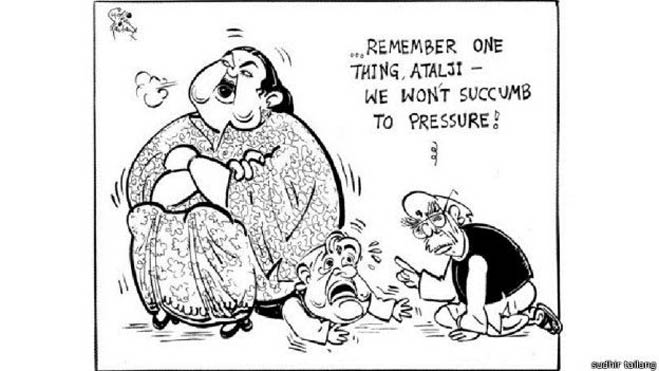
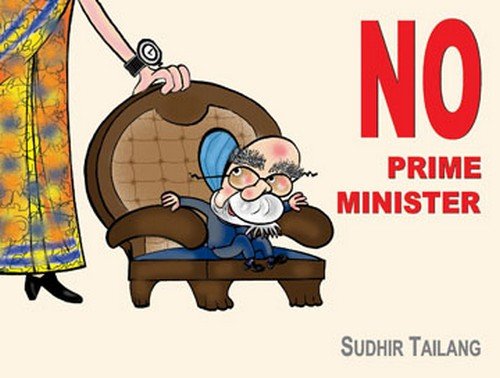
He received the Padma Shri in Literature and Education in 2004. Several politicians were the targets of his caricatures as a cartoonist, including Manmohan Singh, Rajiv Gandhi, Atal Behari Vajpayee, P V Narasimha Rao, Indira Gandhi, and Narendra Modi. His cartoons on Manmohan Singh during his first term as prime minister were included in the book “No, Prime Minister,” which he released in 2009.
Political Cartooning to Politics – Balasaheb Thackeray (23 January 1926 – 17 November 2012)
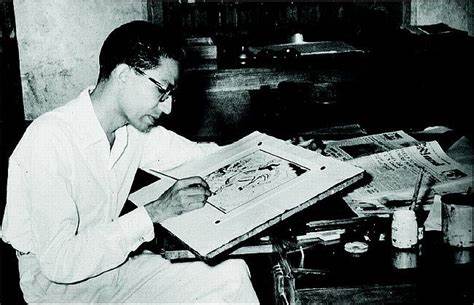
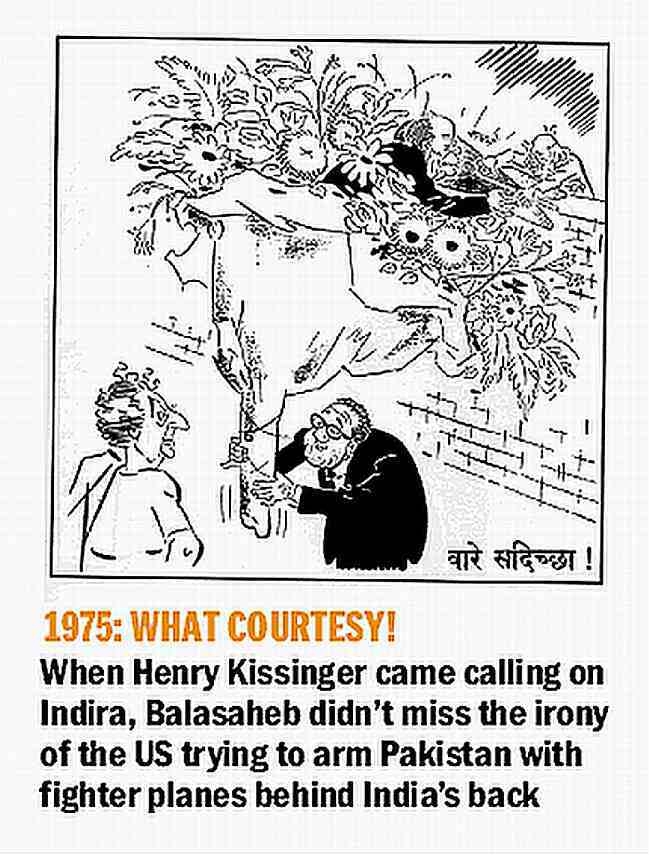
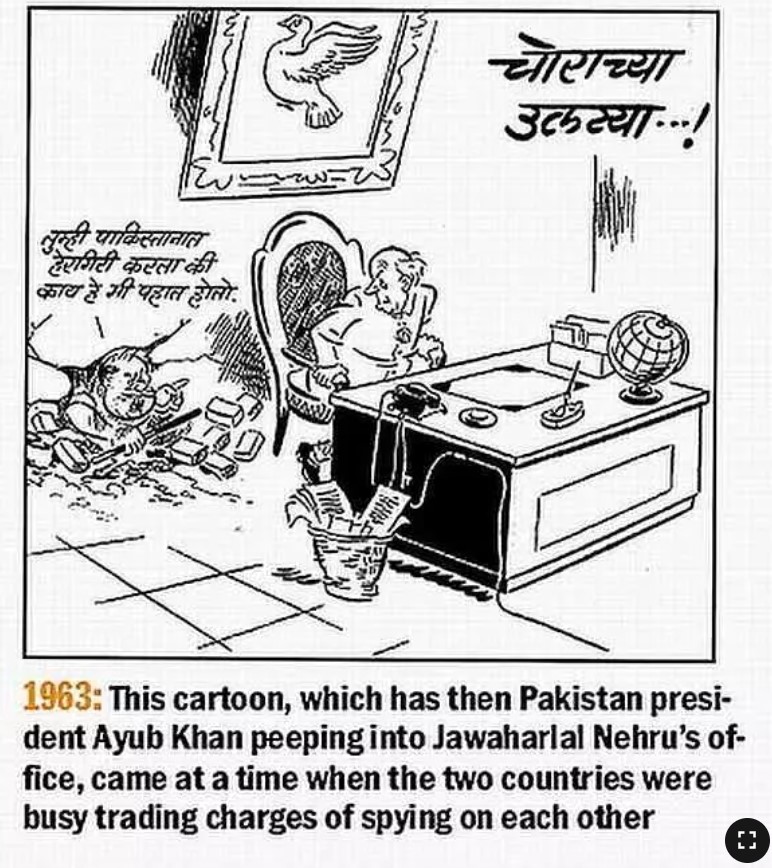
The famously known Bal Keshav Thackeray, also referred to as Balasaheb Thackeray, well as the creator of the Shiv Sena political organisation. However, he was a multi-talented man, and one of them was cartooning. He began his professional career with The Free Press Journal, but he soon left to start ‘Marmik’, a political weekly of his own. His drawings supported his protests against Mumbai’s growing non-Marathi population. Alert on his end, he rendered every detail with detailed drawings.
On June 19, 1966, Thackeray founded the Shiv Sena as a result of Marmik’s success. Aside from that, his writings mirrored and emphasised the growth in poverty, price increases, and even pressing problems like riots and the subsequent expansion of the nation’s armaments trade. The master of cartooning departed from this life in 2012.
Conclusion
As we draw the curtains on this exploration of India’s rich culture of Political cartooning in India, it becomes evident that their legacy extends far beyond the strokes of their pens. By reflecting the many dimensions of Indian society through their artistic expression, these artists have not only amused but also educated audiences and sparked thought-provoking conversations. As we honour their accomplishments, let’s not forget that a single cartoon’s ability to spark debate and motivate action is evidence of the lasting value of this distinctive form of visual expression. The ink may run in the dynamic field of Indian cartooning, but the influence of these forward-thinking artists will last for many years.
Note: Please note that the images used in this article are from across the web and this blog does not hold the copyright to these images.
Let us know if such articles are of your interests. This Blog is forever open to suggestions, views, and discussions.
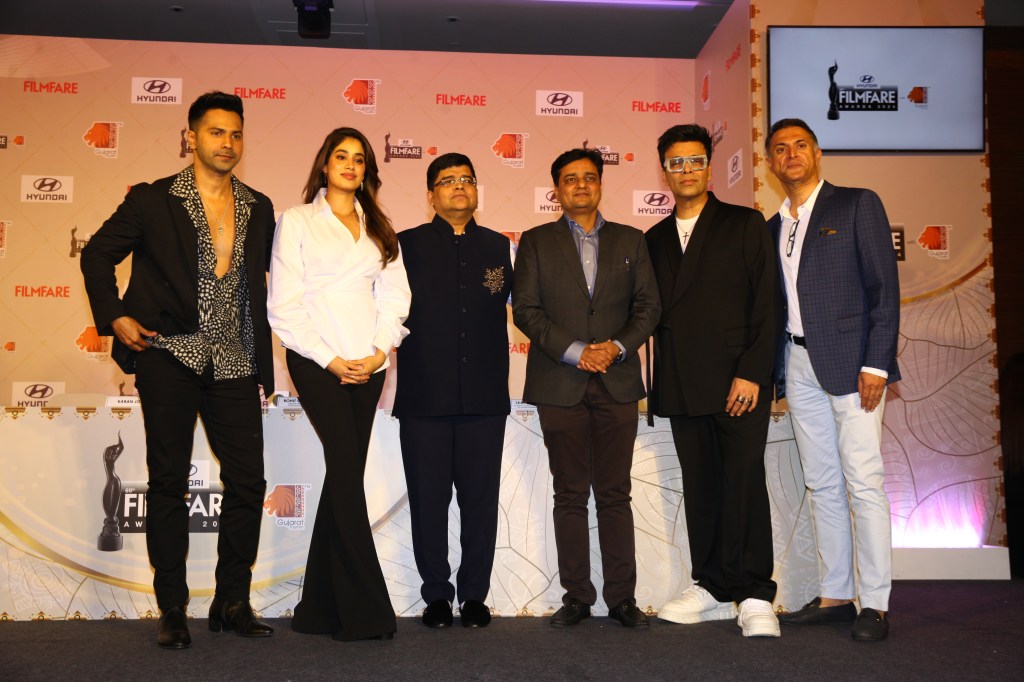
Save the date for an extraordinary two-night event! The 69th Hyundai Filmfare Awards 2024, in partnership with Gujarat Tourism, promises an unprecedented cinematic celebration on January 27th and 28th.
Set in GIFT City, Gandhinagar, Gujarat, the awards night on January 28th guarantees a star-studded affair, hosted by Karan Johar, Ayushmann Khurrana, and Maniesh Paul. The event will feature captivating performances by Ranbir Kapoor, Varun Dhawan, Kareena Kapoor Khan, Janhvi Kapoor, Sara Ali Khan, and Kartik Aaryan. Festivities commence on January 27th at the Mahatma Mandir Convention & Exhibition Centre with a Curtain Raiser, including technical award honors, a fashion show by Shantanu & Nikhil, and a music concert by Parthiv Gohil.
Unveiled at a Mumbai press conference, key details were presented by notable figures like Shri. Hareet Shukla, Mr. Rohit Gopakumar, and Mr. Jitesh Pillaai. Chief Minister Shri. Bhupendrabhai Patel expressed anticipation for the event, emphasizing its positive impact on tourism and the local economy. Minister Mulubhai Bera highlighted Gujarat’s commitment to becoming a cinematic tourism hub, offering diverse locations for film shoots.
Rohit Gopakumar, expressing excitement, acknowledged 2023 as a blockbuster year for Hindi Cinema and emphasized the unique destination of Gujarat for the awards. Hyundai Motor India’s COO, Mr. Tarun Garg, affirmed their pride in being the title partner, linking cinema to Hyundai’s global vision of ‘Progress for Humanity.’ Editor Jitesh Pillaai stated that the 69th edition promises to be an unparalleled spectacle, celebrating a year filled with cinematic marvels.
At the press conference, Karan Johar expressed gratitude, stating the emotional connection he holds with Filmfare. Varun Dhawan emphasized the transformative role of Filmfare Awards in Indian cinema, anticipating a full house in Gujarat. Janhvi Kapoor shared her excitement, grateful to be part of this milestone celebration, reflecting on her earliest memories with Filmfare.
Here is the complete nomination list for the 69th Hyundai Filmfare awards 2024 with Gujarat Tourism –
Popular
Best film
12th fail
Animal
Jawan
Omg 2
Pathaan
Rocky aur rani kii prem kahaani
Best director
Amit rai (omg 2)
Atleee (jawan)
Karan johar (rocky aur rani kii prem kahaani)
Sandeep reddy vanga (animal)
Siddharth anand (pathaan)
Vidhu vinod chopra (12th fail)
Best film critics’
12th fail (vidhu vinod chopra)
Bheed (anubhav sinha)
Faraaz (hansal mehta)
Joram (devashish makhija)
Sam bahadur (meghna gulzar)
Three of us (avinash arun dhaware)
Zwigato (nandita das)
Best actor in a leading role (male)
Ranbir kapoor (animal)
Ranveer singh (rocky aur rani kii prem kahaani)
Shah rukh khan (dunki)
Shah rukh khan (jawan)
Sunny deol (gadar 2)
Vicky kaushal (sam bahadur)
Best actor critics
Abhishek bachchan (ghoomer)
Jaideep ahlawat (three of us)
Manoj bajpayee (joram)
Pankaj tripathi (omg 2)
Rajkummar rao (bheed)
Vicky kaushal (sam bahadur)
Vikrant massey (12th fail)
Best actor in a leading role (female)
Alia bhatt (rocky aur rani kii prem kahaani)
Bhumi pednekar (thank you for coming)
Deepika padukone (pathaan)
Kiara advani (satyaprem ki katha)
Rani mukerji (mrs. Chatterjee v/s norway)
Taapsee pannu (dunki)
Best actress critics
Deepti naval (goldfish)
Fatima sana shaikh (dhak dhak)
Rani mukerji (mrs. Chatterjee v/s norway)
Saiyami kher (ghoomer)
Shahana goswami (zwigato)
Shefali shah (three of us)
Best actor in a supporting role (male)
Aditya rawal (faraaz)
Anil kapoor (animal)
Bobby deol (animal)
Emraan hashmi (tiger 3)
Tota roy chowdhury (rocky aur rani kii prem kahaani)
Vicky kaushal (dunki)
Best actor in a supporting role (female)
Jaya bachchan (rocky aur rani kii prem kahaani)
Ratna pathak shah (dhak dhak)
Shabana azmi (ghoomer)
Shabana azmi (rocky aur rani kii prem kahaani)
Triptii dimri (animal)
Yami gautam (omg 2)
Best lyrics
Amitabh bhattacharya (tere vaaste- zara hatke zara bachke)





 Kulsoomified
Leave a comment